Explore full-service renovation projects
Your Proven Home Builder for Excellent Home Improvements
A reputable general contractor plays an vital role in home improvement projects. Their expertise guarantees work are completed with accuracy and attention. By emphasizing premium supplies and craftsmanship, they enhance both aesthetics and value. Clear dialogue and thorough preparation are essential for a seamless experience. However, many homeowners overlook key factors when choosing a contractor. Recognizing what to prioritize can make a significant impact in achieving a completed project. What should residents consider first?
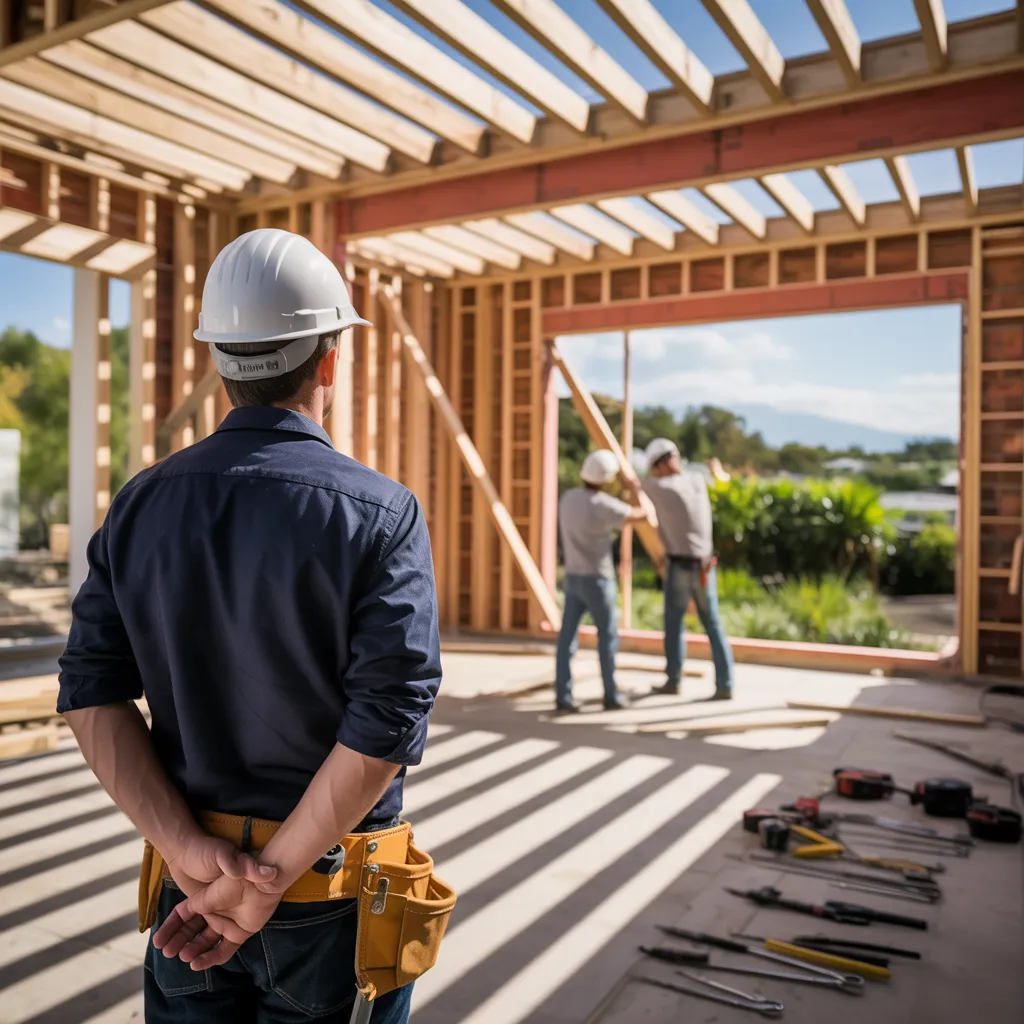
Important Considerations for Finding a Established General Contractor
When starting a home renovation undertaking, how can one guarantee they choose a trustworthy general contractor? First, individuals should request suggestions from friends, family, or online reviews to find potential candidates. It is crucial to confirm credentials, including permits and coverage, ensuring the contractor meets local regulations. Next, examining past work through project galleries or client testimonials offers insights into the contractor's craftsmanship and reliability.
Additionally, collecting multiple quotations can help you assess reasonable pricing and construction schedules. Conversational abilities are also necessary; a contractor should be approachable and responsive to client concerns. In addition, a solid contract laying out project scope, schedules, and payment schedules shields both involved parties. Finally, trust instincts; if a contractor appears unprofessional or vague, it might suggest upcoming difficulties. By sticking to these suggestions, homeowners can greatly increase their probability of hiring a dependable general contractor, leading to prosperous home improvements.
Why a Local General Contractor Is Your Ideal Choice
Selecting a area general contractor can greatly enhance the success of home improvement projects. Territory contractors retain valuable familiarity of the area, involving building codes, regulations, and zoning codes, ensuring compliance and efficiency. Their developed ties with providers and auxiliary contractors can lead to competitive rates and timely access to supplies and trained workers.
Moreover, regional service providers often maintain a reputation to copyright in the locality, driving them to deliver high-quality work. This sense of accountability creates trust and confidence among residents.
Furthermore, proximity facilitates more rapid interaction and speedier replies, which can be necessary during a project. Homeowners can also obtain referrals from neighbors or friends who have previously engaged with the contractor, granting peace of mind. Overall, choosing a local general contractor not only helps the community but also strengthens the overall quality and experience of home improvement pursuits.
A Comprehensive Manual for Your Residential Upgrade Experience
Initiating a home enhancement project requires meticulous strategizing and completion. Formulating a work schedule is vital to ensure that tasks are completed efficiently, while choosing premium materials can greatly impact the project success. This handbook will outline these key stages to assist homeowners navigate their improvement journey successfully.
Establishing Your Project Timeline
An organized project timeline is essential for successful home improvements, making sure that each phase is completed efficiently. Initially, homeowners should define the project's scope, setting specific goals and expected outcomes. Following that, they should work with their general contractor to set a feasible timeframe considering the project's complexity and necessary tasks. Dividing the project into smaller phases supports improved tracking and adjustments when needed. It's also important to anticipate potential delays, like weather conditions or supply chain issues, which could impact the schedule. Regular meetings with the contractor help keep the project on track. Ultimately, having a clear timeline improves communication and sets expectations, resulting in a more streamlined home improvement experience.
Evaluating High-Grade Supplies
Opting for superior items profoundly determines the outcome of home improvement projects. At the outset, homeowners need to pinpoint the distinct requirements of their initiative, evaluating considerations such as resilience, aesthetics, and budget. Examining various product options is important; this requires understanding the strengths and disadvantages of each. Consulting professionals can impart valuable insights about dependable brands and vendors.
Next, homeowners should ask for samples to evaluate the appearance and texture of materials firsthand. Contrasting prices across various suppliers can help guarantee affordable rates without compromising quality. Finally, verifying that materials meet local building codes is essential for safety and compliance. By carefully choosing materials, homeowners can enhance both the durability and aesthetic value of their renovations, finally increasing the worth to their property.
Present Your Vision Like a Pro
Successful home improvements often depend on the capacity to communicate a distinct vision. Homeowners should articulate their ideas, preferences, and requirements, ensuring that they convey their wishes efficiently to their general contractor. A well-defined vision not only helps in matching the contractor's strategies with the homeowner's objectives but also simplifies the planning process.
Visual materials including visual sketches and mood collections can substantially improve interaction. They offer a tangible visual guide that depicts style, color schemes, and layout preferences. Besides, maintaining open dialogue strengthens teamwork, allowing the contractor to pose clarifying questions and share insights.
Setting achievable review deadlines and budgets is equally essential. Residents should be prepared to address constraints candidly to sidestep misunderstandings later. Finally, communicating a vision with clarity and confidence strengthens both parties, setting the way for successful project delivery and satisfying results in property enhancement undertakings.
The Importance of High-Grade Materials and Craftsmanship
During renovation work, the selection of resilient materials strongly influences a project's longevity and functionality. Comparably essential is quality workmanship, which confirms materials are employed effectively. Jointly, high-quality materials and expert workmanship yield output that remain strong over the years.
Durable Material Choosing
A deliberately chosen selection of long-wearing materials can substantially determine the lifespan and beauty of home improvements. Superior materials not only enhance the look of a space but also ensure that renovations endure the test of time. Homeowners should emphasize materials with tested durability, such as hardwood, stone, and high-grade metals, which combat wear and tear and environmental damage. Additionally, picking materials appropriate for the local climate can prevent issues like rot or corrosion. Putting money in durable options may require a higher upfront cost, but the long-term benefits—fewer repairs and replacements—make it a smart choice. Ultimately, the right materials enhance a home's value and overall satisfaction for years to come.
How Skilled Artistry Matters
Quality technical skill plays an fundamental role in the success of domestic renovations, complementing the selection of robust materials. Skilled artisans promise that every dimension of a project is accomplished with precision, enhancing both functionality and beauty. Detailed scrutiny in construction, from framing to finishing touches, substantially impacts the longevity and performance of home features. Quality technical skill not only expresses a dedication to superior standards but also safeguards against future issues, such as construction defects or aesthetic flaws. Additionally, veteran craftspeople understand the nuances of various materials, ensuring they are implemented effectively. Ultimately, investing in skilled craftsmanship leads to a more fulfilling and enduring result, elevating the overall value of the home and the property owner's contentment.
Frequent Renovation Blunders and How to Sidestep Them
Countless property owners run into pitfalls during remodeling projects that can lead to expensive postponements and unhappiness. A typical mistake is underestimating the budget. Without a thorough financial plan, surprising costs can surface quickly, endangering the project. Additionally, failing to obtain mandatory permits can cause fines and project halts, complicating the remodeling process.
A frequent error involves hurrying through the decision-making process. Hasty choices regarding design and layout may result in disappointment down the road. Homeowners frequently neglect the importance of hiring qualified experts, which can compromise the work quality and standards for safety.
In conclusion, communication breakdowns effectively with contractors may produce miscommunications and unmet expectations. To avoid these difficulties, homeowners should prioritize comprehensive planning, secure the essential licenses, select skilled professionals, and foster active dialogue throughout the renovation process. By managing these common oversights, homeowners can guarantee a more pleasant and successful renovation experience.
What Supplies Should You Pick for Your Renovation?
How can homeowners ensure they choose the appropriate products for their renovation projects? Initially, they should evaluate the particular requirements of the space, taking into account factors such as performance, aesthetics, and durability. Researching various materials is vital; property owners should compare options based on their appropriateness for the intended use and local climate conditions.
Partnering with a trusted general contractor can yield valuable insights into material choices, ensuring that preferences conform to both budget and design goals. Additionally, occupants should highlight environmental consciousness by looking into green choices that cut environmental impact.
Ultimately, reviewing samples can benefit in reaching sound conclusions, enabling homeowners to picture how materials will look and feel in their setting. By following these steps, property owners can securely opt for products that enhance their restoration while ensuring caliber and persistence.
Commonly Requested Questions
How Can I verify a Contractor's Licenses and Insurance?
To confirm a contractor's credentials and coverage, one can inspect state regulatory agencies and insurance providers. Moreover, obtaining documentation of licenses and insurance straight from the contractor ensures authenticity and compliance with regulations.
What Is the Common Timeline Expected for Domestic Enhancement Projects?
The typical timeline for home improvement projects varies, often stretching from a few weeks to several months, depending on how complex the project is, size, and required permits. Consultation with the contractor can help create a more reliable plan.
Is It Possible to Live in My Home During Renovations?
Yes, one can live in a home during renovations, though it often depends on the project's scope. Partial renovations may permit continued residence, while major work might necessitate temporary relocation for comfort and safety.
What Ways to Pay Do Contractors Usually Take?
Contractors commonly receive a variety of payment forms, such as cash, checks, credit cards, and digital payment platforms. Some may also offer financing opportunities, permitting clients flexibility in controlling renovation costs and payment schedules.
How Do I Handle Conflicts With My Contractor?
To resolve disagreements with a contractor, one should talk transparently, keep records of all communications, and pursue a settlement through bargaining. If not addressed, alternative dispute resolution or legal proceedings may be essential to defend one's interests properly.